Winter in Worcester, Massachusetts is no small event. With heavy, wet snow, fluctuating temperatures, and powerful nor’easters rolling through New England, homeowners face a unique challenge: protecting their yard, landscape, and hardscape features from seasonal damage.
From cracked patios in Shrewsbury to bent shrubs in Holden and broken tree limbs in Boylston, winter stress can lead to costly repairs if not handled proactively.
This practical guide explains how Worcester homeowners can prevent snow damage, protect their investment, and maintain a healthy, beautiful landscape—while knowing when it’s time to call in a professional.
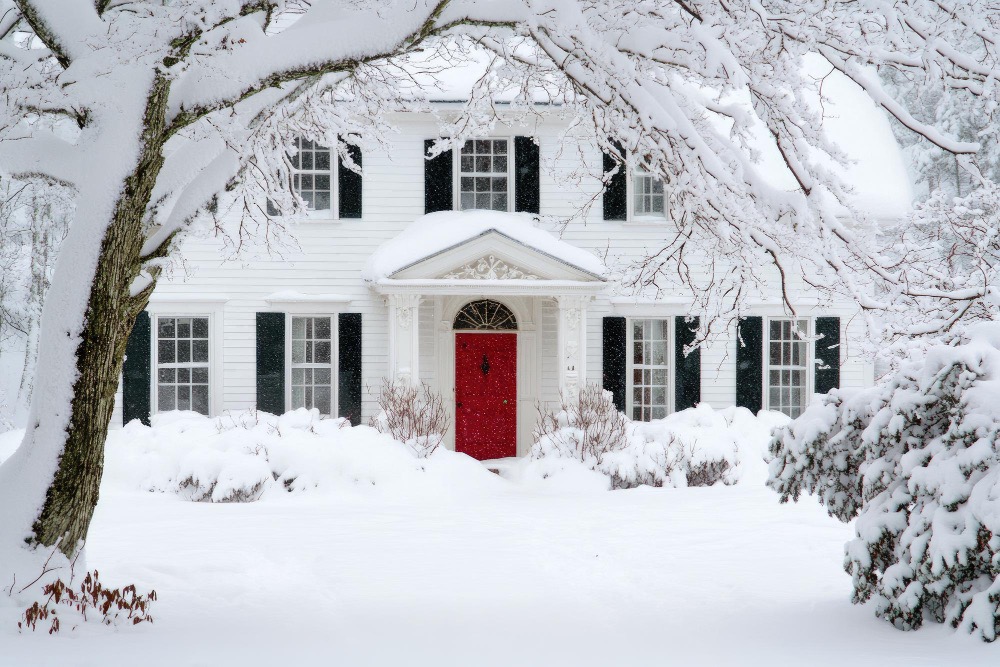
Why Winter Protection Matters for Worcester Homeowners
Massachusetts winters can dump anywhere from a few inches to several feet of snow in a single storm. That weight—combined with freeze–thaw cycles—creates conditions that strain every part of your yard:
- Trees can lose major limbs or develop hidden structural weaknesses.
- Shrubs can deform or die back from prolonged snow load.
- Hardscape features such as retaining walls, walkways, steps, and paver patios can crack, shift, or heave.
Protecting your landscape during winter is not just about avoiding damage—it’s about preserving long-term property value, safety, and curb appeal.
How Snow Damages Trees in Worcester’s Climate
1. Snow Load Breakage
Heavy, wet snow—typical in Worcester—adds sudden weight to branches. Weak or unpruned limbs are the first to snap.
2. Ice Accumulation
Ice storms, common across Massachusetts, coat branches in layers of frozen weight. This leads to bending, splitting, or catastrophic limb failure.
3. Winter Burn & Freeze Stress
Evergreens such as arborvitae, spruce, and pine suffer when cold winds dehydrate their needles.
Practical Tips to Protect Your Trees This Winter
1. Prune Before Snowfall
Structural pruning is the most effective way to prevent snow damage. Removing weak or crossing branches reduces breakage risk.
Best time: late fall before heavy storms begin.
Tip: Hire a certified arborist for larger trees for safety and accuracy.
2. Support Vulnerable Trees
Young trees, multi-stem species, and ornamental varieties can benefit from staking or cabling.
3. Gently Remove Snow (But Never Shake Ice)
Use an upward sweeping motion with a broom.
Do NOT shake branches—this causes cracking.
4. Mulch Around the Base
Mulching helps regulate soil temperature and protects roots during freeze–thaw cycles.
5. Avoid Salt Exposure
Ice-melting salt damages tree roots. When possible, use calcium magnesium acetate instead of rock salt.
Protecting Shrubs in a New England Winter
Shrubs are often the first casualties of snowstorms, especially arborvitae, boxwoods, hollies, and hydrangeas, which are popular in Worcester landscapes.
Common Problems:
- Bent or split branches
- Winter burn on evergreens
- Snow compaction deforming the plant
- Salt spray from roads or driveways
Practical Tips to Prevent Shrub Damage
1. Tie or Wrap Upright Shrubs
Using soft twine or landscape wrap keeps branches upright and prevents splaying under snow load.
2. Install Shrub Shelters
A-frames or mesh barriers protect shrubs planted near driveways or walkways.
3. Brush Off Snow Carefully
Always brush snow from the top down, supporting branches as you go.
4. Use Anti-Desiccant Sprays
These provide a protective coating that reduces moisture loss during harsh winds.
5. Choose Winter-Hardy Plants
For new plantings in Worcester, select varieties proven to withstand New England winters (Zone 5–6).
Protecting Hardscape Features: Patios, Walkways & Retaining Walls
Your hardscape is just as vulnerable to winter as your plants. Snow, ice, and freeze–thaw cycles can cause structural damage that leads to expensive repairs.
Common Winter Damage to Hardscapes
- Cracked pavers
- Sunken sections due to ground heaving
- Loose retaining wall blocks
- Frost damage to stone steps or landings
- Discoloration from salt and chemical deicers
Preventive Steps for Homeowners
1. Use the Right De-Icers
Avoid rock salt on concrete or pavers—it causes spalling and surface breakdown.
Use sand or a calcium magnesium blend instead.
2. Seal Pavers & Stonework
A high-quality sealant protects against moisture absorption, which reduces cracking during freeze–thaw cycles.
3. Clear Snow Early and Often
The more snow accumulates, the heavier the load on patios and steps. Use plastic shovels to avoid scratching surfaces.
4. Inspect Drainage Before Winter
Poor drainage allows water to freeze under walkways and patios, causing frost heave.
Common Winter Mistakes Homeowners Make (and How to Avoid Them)
1. Shaking Ice Off Trees
This snaps brittle branches.
Correct method: Let the ice melt naturally.
2. Using Rock Salt
Salt destroys both plants and hardscapes.
Choose plant-safe alternatives.
3. Ignoring Small Cracks
Minor patio cracks become major structural issues after one winter.
4. Overpacking Snow Around Shrubs
Piling shoveled snow onto shrubs crushes them and encourages mold.
5. Delaying Pruning Until Spring
Winter storms will exploit every weak branch that should’ve been removed in fall.
Benefits of Winter Protection for Worcester Homeowners
- Lower long-term maintenance costs
- Healthier trees and shrubs come spring
- Reduced safety hazards (falling limbs, icy walkways)
- Better curb appeal year-round
- Increased property value through preserved landscaping
Investing a little time—or partnering with a professional—can save thousands in repairs.
Local Examples in Worcester County
Shrewsbury
Arborvitae hedges near driveways often experience salt burn. Wrapping and barriers prevent this.
Auburn
Older maples near homes benefit from structural pruning before heavy snow.
Holden
Retaining walls on sloped properties are prone to frost heaving if drainage is poor.
West Boylston & Grafton
New homeowners frequently need guidance on winter shrub protection due to dense plantings.
These real-world examples highlight why a tailored approach matters—New England landscaping has unique winter challenges.
Frequently Asked Questions (FAQ)
1. Should I remove snow from my trees after every storm?
Yes—light, fluffy snow should be brushed off. Heavy, wet snow should be removed carefully. Never touch ice-covered branches.
2. What’s the best way to protect my patio from cracking in winter?
Seal the surface, use proper de-icers, and ensure your drainage system directs water away from the patio.
3. Can I wrap all shrubs for winter?
Not all shrubs need wrapping, but upright evergreens, boxwoods, and broadleaf shrubs benefit greatly.
4. Why do my arborvitae bend every winter?
Snow load causes flexible branches to bow. Wrapping or tying them helps maintain structure.
5. When should I call a professional landscaper?
If you notice tree limbs near power lines, structural damage to hardscapes, or repeated winter issues, professional help ensures long-term safety and prevention.
Ready for a Safer, More Beautiful Winter Landscape?
Protecting your yard, landscape, and hardscape features in Worcester, MA doesn’t have to be overwhelming. With the right preparation—and expert support—you can enjoy peace of mind all winter long.
👉 Book a free consultation or request a personalized quote today:
https://greenleaveslandscape.com/contact/
Your yard deserves professional care. Let’s make your outdoor space winter-ready and stunning year-round.